
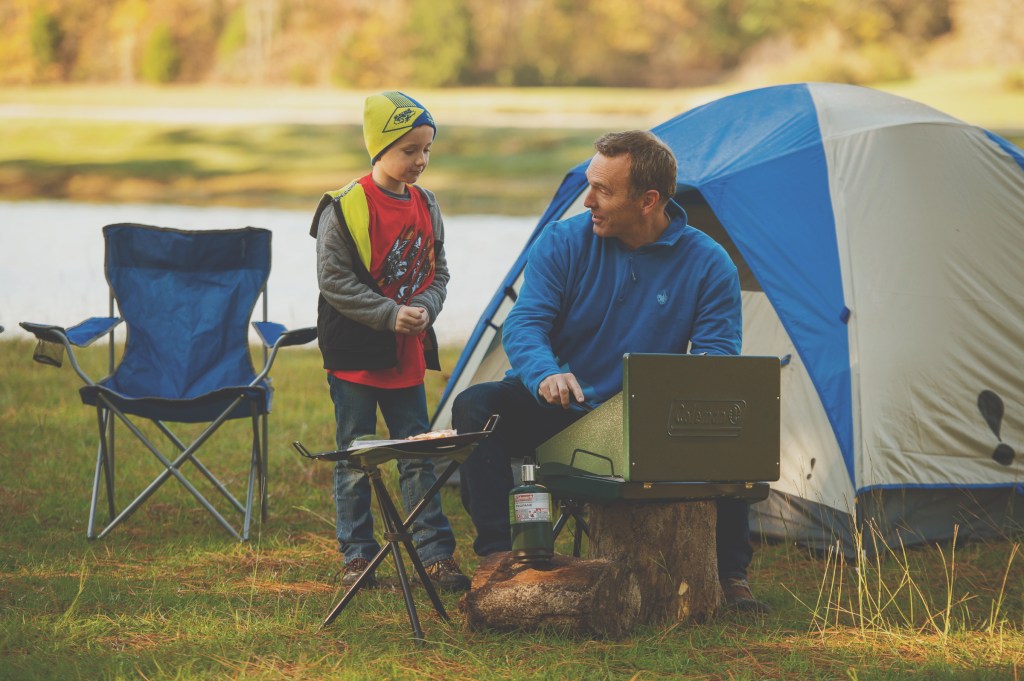
Each year, we host fun overnight trips for cubs and their families, allowing them to enjoy nature and bond through activities like cooking, sharing stories, playing games, and camping in tents.
Suggested Packing List
- Tent (with ground cloth/tarp, footprint, and rainfly) – Practice setting it up at home!
- Wagon (optional but useful for transporting gear)
- Portable chair (optional but nice for relaxing)
Sleeping Gear:
- Sleeping bag (rated to 20°F or lower)
- Extra blanket
- Sleeping pad, air mattress, or blanket for insulation
- Pillow (optional, but recommended for comfort)
Clothing & Personal Items:
- Warm layers for the evening
- Change of clothes, including warm pajamas
- Toiletries: toothbrush, toothpaste, comb, soap in a container, washcloth, towel
- Toilet paper & extra plastic bag for dirty clothes
Cub Scout 6 Essentials (+ a backpack):
- Filled water bottle
- Trail mix or a small snack
- Sun protection (hat, sunscreen, sunglasses)
- Flashlight (with extra batteries)
- First aid kit for kids
- Whistle (often attached to a backpack)
Documents to Bring:
Please print, fill out, and bring these medical forms (Parts A and B ONLY) with you for each register cub participant.
How to Choose Your Camping Equipment:
CHOOSING A FAMILY TENT:
- Capacity – Pick a tent with a capacity that fits your group. A 4-person tent fits 2-3 comfortably.
- Seasonality – Choose a 3-season tent for most conditions or a 4-season tent for winter camping.
- Space & Comfort – Look for tall ceilings, vestibules, and multiple doors for convenience.
- Weather Protection – Ensure it has a rainfly, sealed seams, and good ventilation.
- Ease of Setup – Instant or freestanding tents are easier to pitch.
CHOOSING A SLEEPING BAG:
- Temperature Rating – Choose based on expected weather Ideally look for something that is Comfort Rated 20 – 30 deg F – this should cover most trips with some margin for unexpected weather changes.
- Shape – Mummy bags retain heat better; rectangular bags provide more room to move.
- Fill Type – Down insulation is lightweight but less water-resistant; synthetic insulation is budget-friendly and dries faster.
- Size & Weight – Ensure it’s long enough for comfort and lightweight if hiking.
CHOOSING A SLEEPING PAD:
- Size – Most camping sleeping pads are available in different width and lengths common widths are 20, 25, and 30 inches. Common lengths are 72 or 78 inches – generally the sweet spot is 25 inches wide for adults this is a good balance of weight and comfort. 20 inch wide pads may be slightly cheaper but are pretty narrow and you may wiggle off of them or an arm comes off and gets cold from being on the ground in the middle of the night.
- R – Value – this number will tell you how insulating the pad will be so you are not getting cold from the ground. Just like the insulation in your house. Sleeping pads range from 0 – 10. See general chart of R-value.
- Weight – In the camping world the lighter it is usually the more expensive it is. For family car camping weight doesn’t really come into play other than ease of packing it up and carrying it to the car.

Where to Buy Your Camping Equipment:
REI – https://www.rei.com/ – camping shop, San Carlos. Plenty of camping equipment to choose from, sign up for membership as it will give you rewards. They also have pre-owned camping equipment. REI also has sales very frequently and spending and extra 20-40 dollars on a sale item at REI can get you gear that will last your scout most of if not their entire scouting life.
Costco – https://www.costco.com you can buy some camping equipment in Costco.
Budget camping options:
 Pack 447 - Foster City, CA USA